about the director
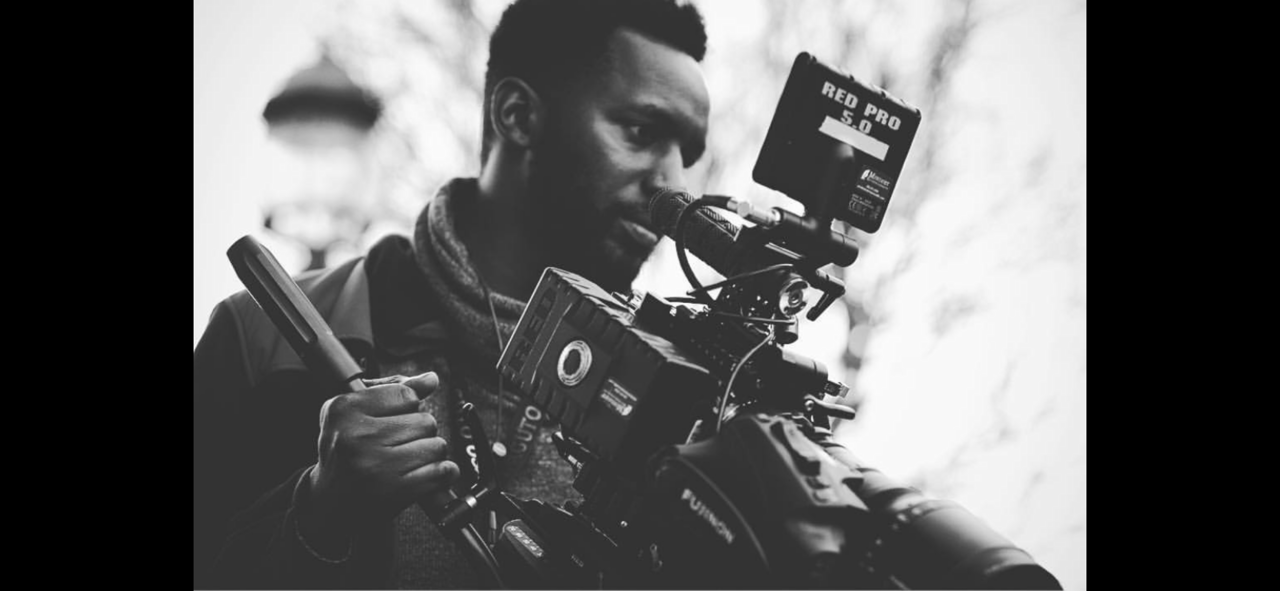
Naeem “6ix” Cobb
Director and filmmaker Naeem Cobb has worked in multimedia for over 20 years, and his directorial and cinematic work through television and film has reached over 100 million viewers. He has directed, filmed, and produced TV commercials, training courses, event reels, promos, and award-winning documentaries and films, several of which have become official selections for the Sundance Film Festival. The Trust of the National Mall hired Naeem to chronicle the re-opening of the Washington Monument, and he was invited to the White House and chosen to document Michelle Obama to help promote the First Lady’s Higher Reach initiative. He has also been the lead producer on over 30 film projects for the Washington, DC tourism board for over 6 years. Naeem has earned several filmmaking awards, including the 2010 DC-Maryland-Virginia Award for Director of the Year, and the DC mayor’s office selected him as the OCTFME May 2016 Filmmaker of the Month. He was the lead director and producer for the Baltimore/DC area television network Revolt TV for over 5 years, and was a lead cinematographer on the highly anticipated HBO docu-series The Case Against Adnan Syed, based on the world’s number #1 podcast, Serial which reached over 170 million listeners worldwide.
Director’s Statement
about Shall We Gather
As a filmmaker, I am continually drawn to stories that reveal the complexity of community, history, and human connection. This film began as an exploration of the historical role race has played within churches in St. Mary’s County, Maryland, but it quickly became something larger: a conversation about memory, reconciliation, and the ways in which the past continues to shape our present.
At the center of the film are St. George’s Episcopal Church and Bethesda United Methodist Church in Valley Lee, St. Mary's County, Maryland. Valley Lee has a history stretching back centuries and its physical presence stands as a reminder of the people, both celebrated and forgotten, who helped build the community that exists today. As I learned more about these churches' history, including the contributions of enslaved people and the realities of racial segregation within local faith communities, I became interested not only in documenting facts, but in creating a space where voices could be heard, experiences could be shared, and difficult conversations could take place with honesty and respect.
From the beginning, I wanted the film to move beyond a traditional historical documentary. Music became an essential storytelling tool because it has a unique ability to transcend barriers, evoke emotion, and bring people together. By weaving musical performances alongside interviews with clergy, community leaders, and residents, the film creates a dialogue between history and contemporary experience. The performances are not simply interludes; they are part of the narrative itself, reflecting the power of art to foster connection where division once existed.
My goal was not to provide definitive answers, but to encourage reflection and conversation. The film acknowledges painful chapters of local history while also highlighting individuals and communities working toward greater understanding and healing. In a time when discussions about race, identity, and belonging can often feel polarized, I hope this project demonstrates the value of listening to one another and engaging with the past in order to build a more inclusive future.
Ultimately, this film is about community. It is about recognizing the stories that have been overlooked, honoring those who came before us, and creating opportunities for dialogue across differences. I am grateful to the participants who entrusted us with their experiences and perspectives, and I hope audiences leave the film with a deeper appreciation for the power of history, faith, music, and collective storytelling to bring people together.